I recently had the pleasure of attending the Field to Ferment course, an unforgettable experience that beautifully blended hands-on learning, community, and incredible food. The course is run by Clare, a journalist-turned-trained chef with a deep passion for fermentation, and takes place in the stunning home of her friend Anita, in Bletchington. Clare and Anita first met through one of Clare’s fermentation classes, bonding over a shared love of the craft, and this collaboration is a testament to that connection.
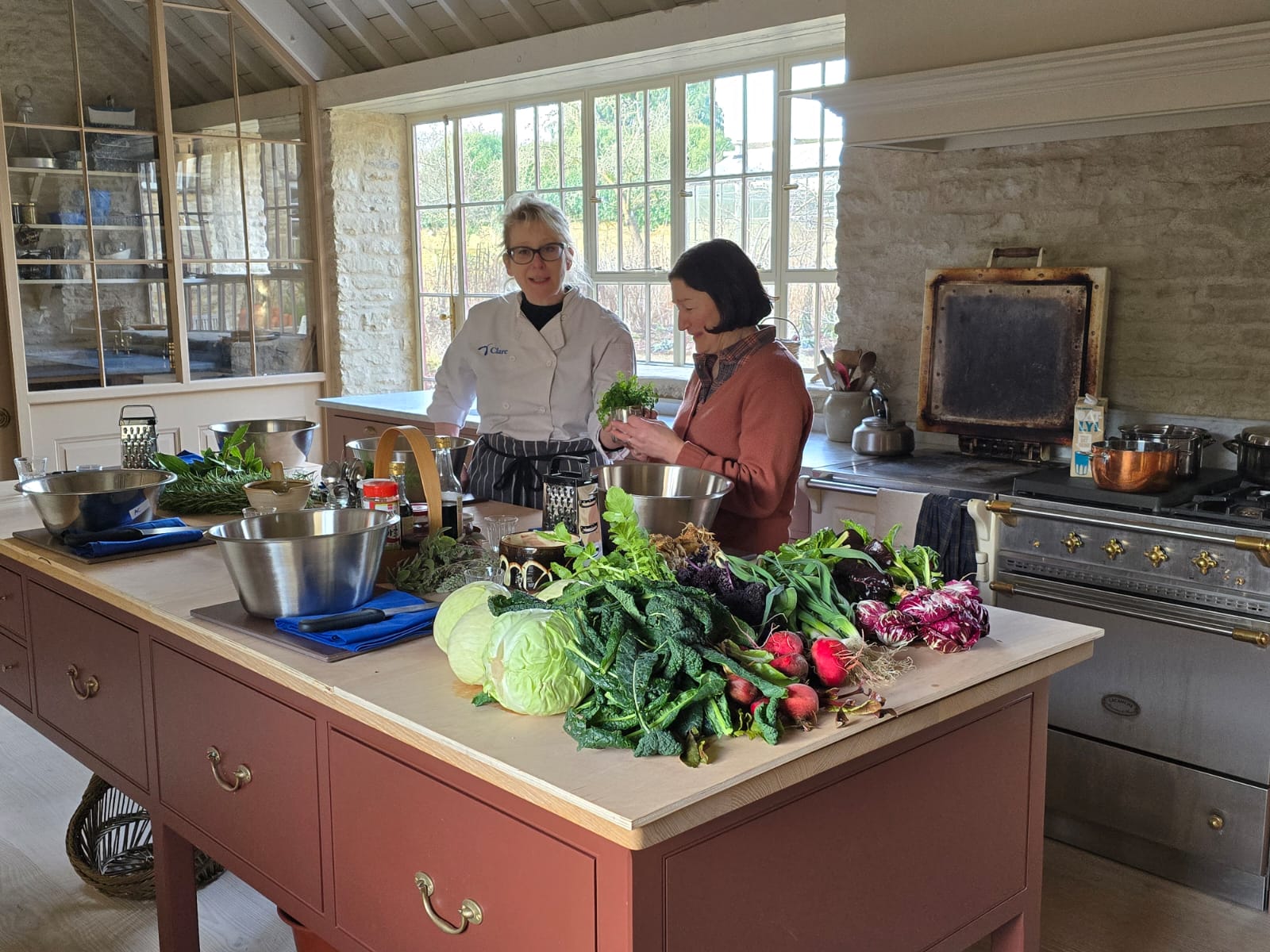
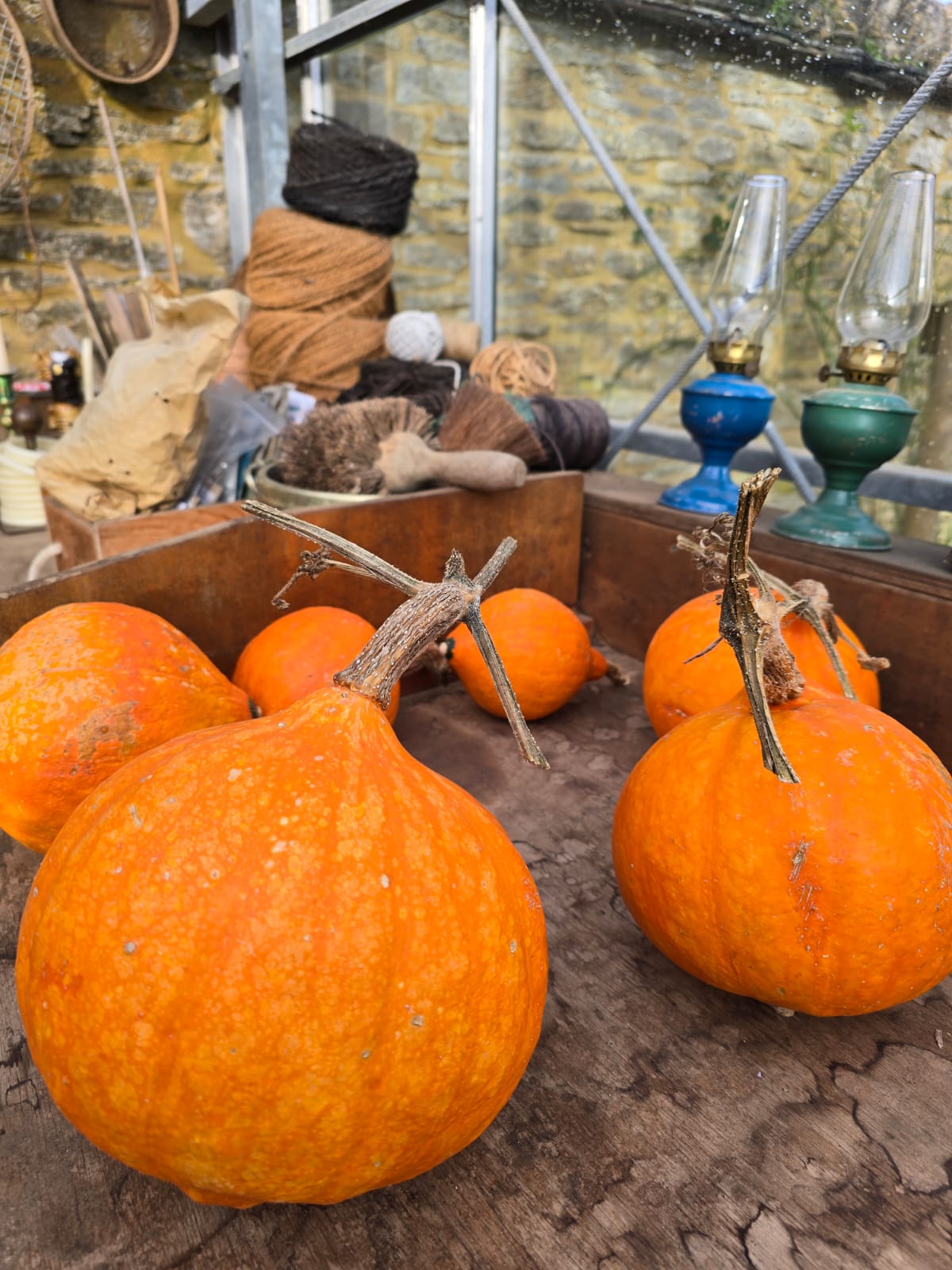
Anita’s home, thoughtfully designed and developed over 20 years, provided the ideal environment for the course. With a kitchen that effortlessly combined tradition and innovation, the space felt warm, welcoming, and perfectly suited to learning. We began the morning with coffee in the greenhouse, accompanied by a homemade squash cake—moist, perfectly spiced, and a wonderful way to ease into the day.
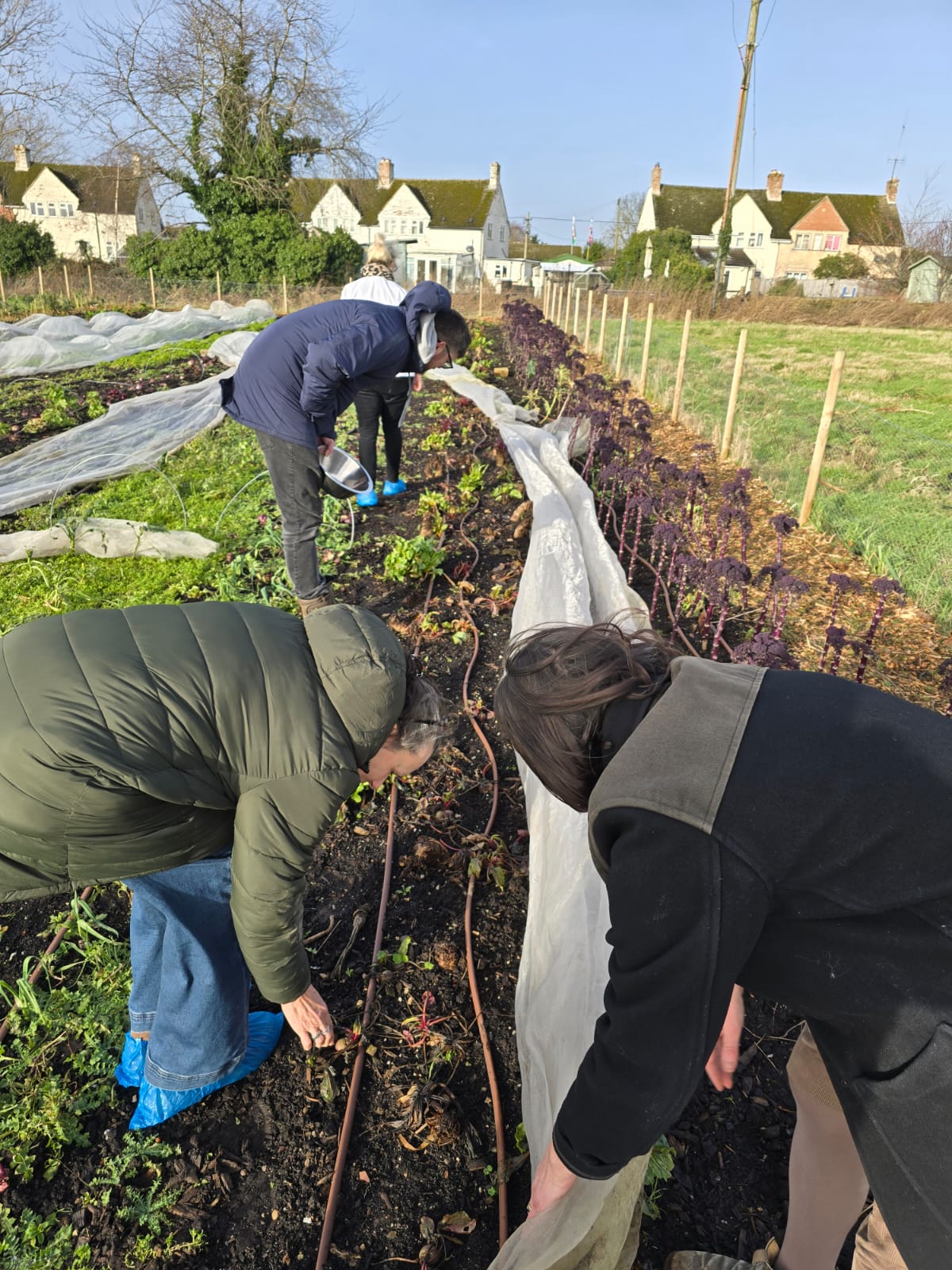
One of the most special aspects of the course was our visit to the market garden behind Anita’s house. This incredible space is part of a larger project designed to connect the local community with sustainable food and growing practices. The garden, developed by Harrison at Worthy Earth, is built on the ethos of small-scale food hubs that improve health and community through real food.
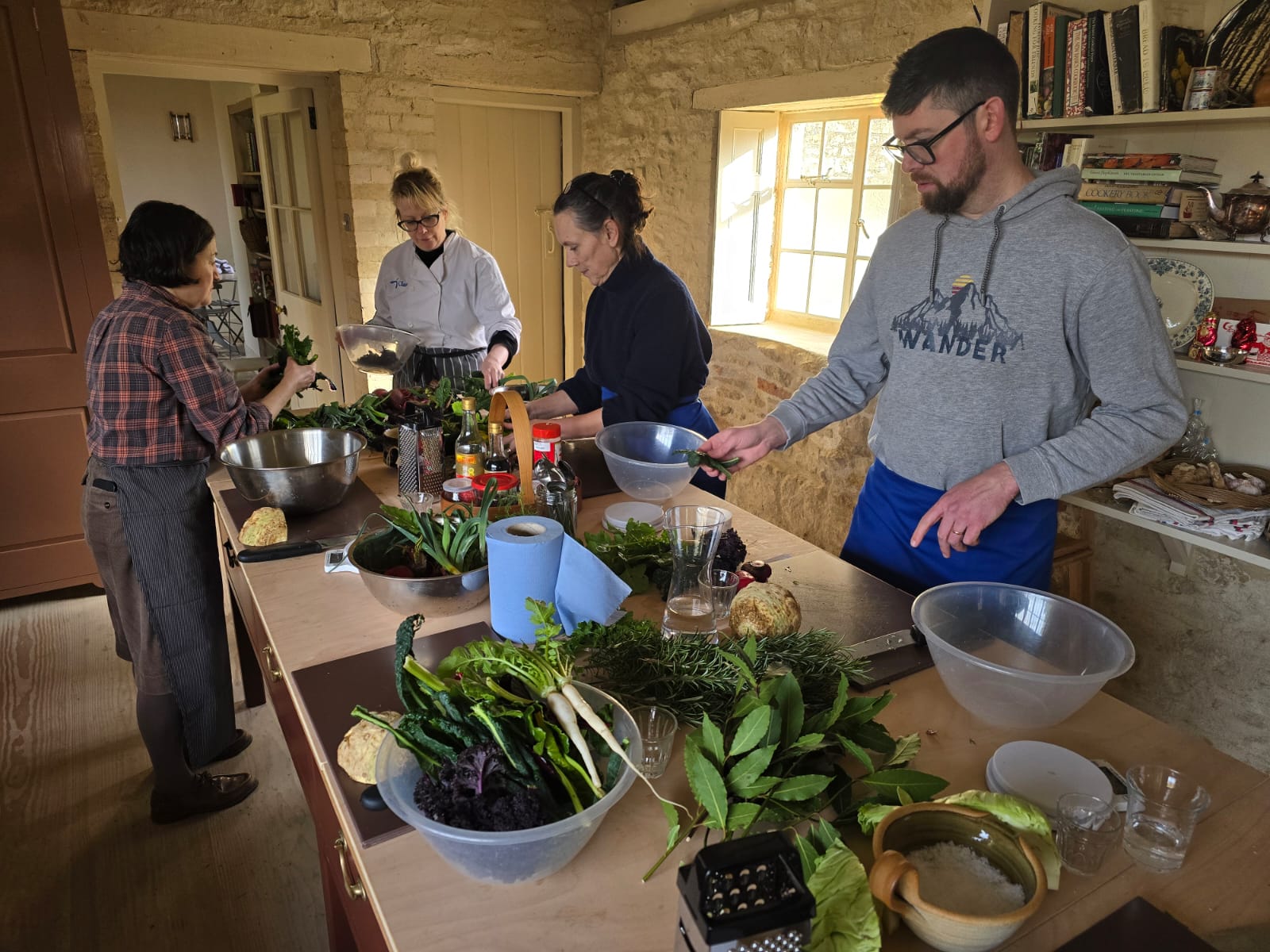
We handpicked fresh mooli, vibrant kale, and mini leeks—ingredients that we would later transform through fermentation. It was inspiring to hear how the garden is being integrated with local schools, offering children a chance to engage with the land and learn about food production firsthand.
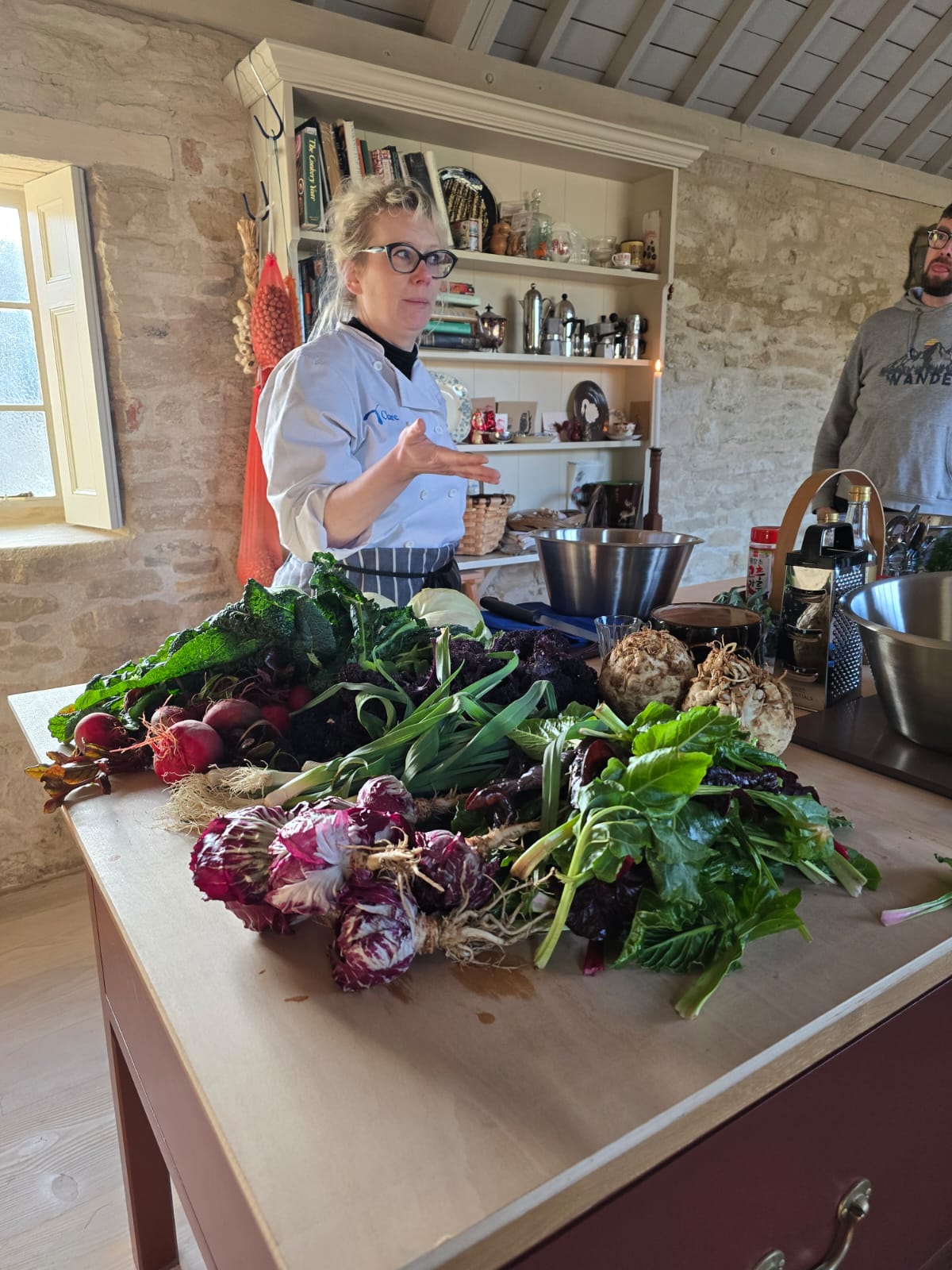
Back in the kitchen, Clare’s expertise truly shone.
She guided us through the fundamentals of fermentation, making even the most intricate processes feel accessible and engaging. The morning was dedicated to classic ferments—sauerkraut, kimchi, and pickled beetroot—while the afternoon saw us experimenting with vinegar, kombucha, and kefir. Clare’s knowledge extended beyond just technique; she wove in stories about the cultural history and science behind fermentation, deepening our appreciation for the craft.
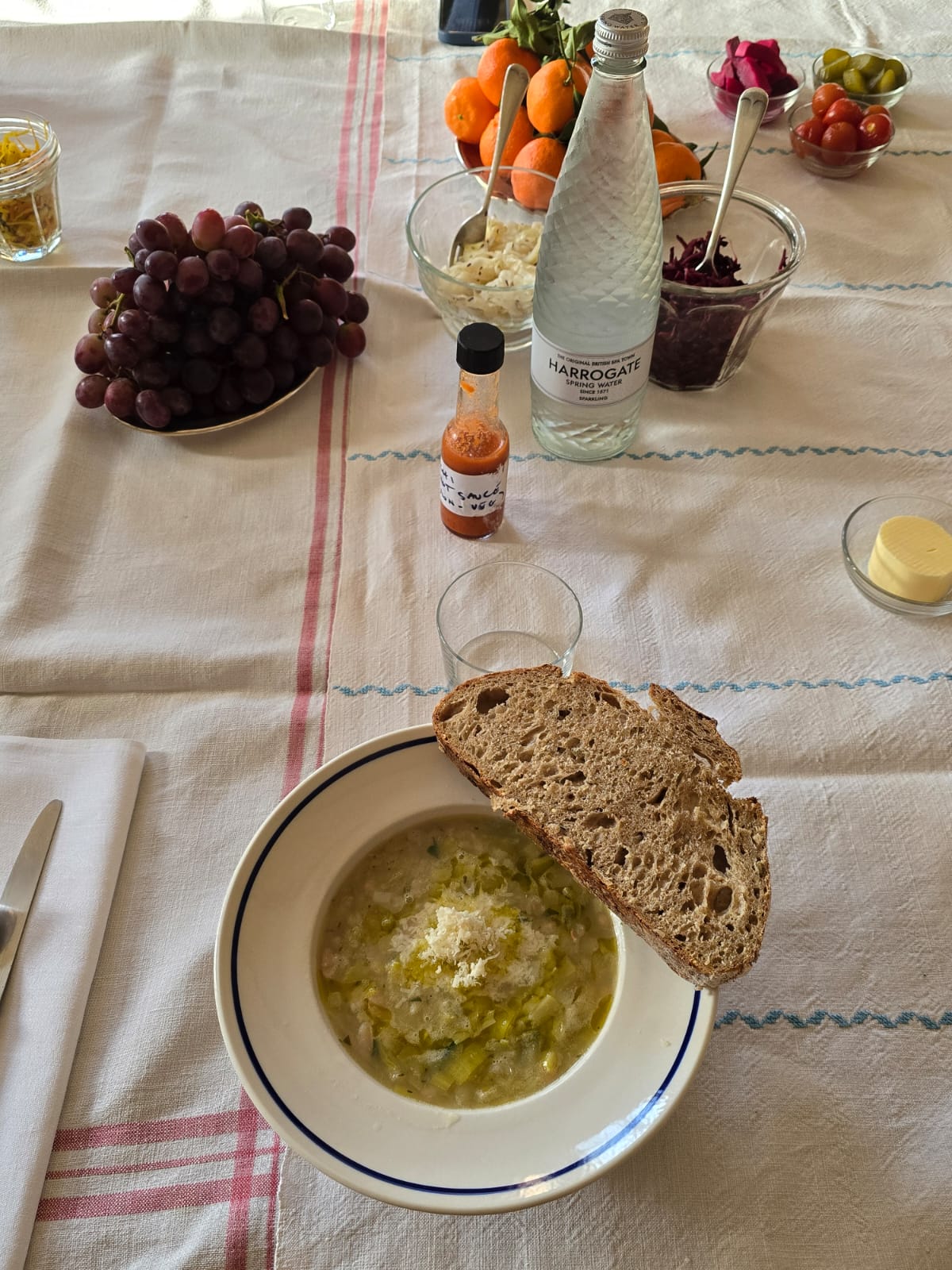
At lunchtime, we gathered around Anita’s beautiful dining table for a meal that felt like a true celebration of the day’s work. We enjoyed homemade leek soup (featuring leeks from the market garden!) alongside freshly baked bread and a selection of Clare’s fermented vegetables. The setting was just as nourishing as the food, with soft lighting and natural textures creating a peaceful, intimate atmosphere.
What set this experience apart was the sense of community and connection.
The small group setting fostered great conversation, and the day flowed seamlessly from one activity to the next. Clare’s teaching extends far beyond this course—she also runs seasonal supper clubs in London and beyond, showcasing her fermentation skills through beautifully curated meals.
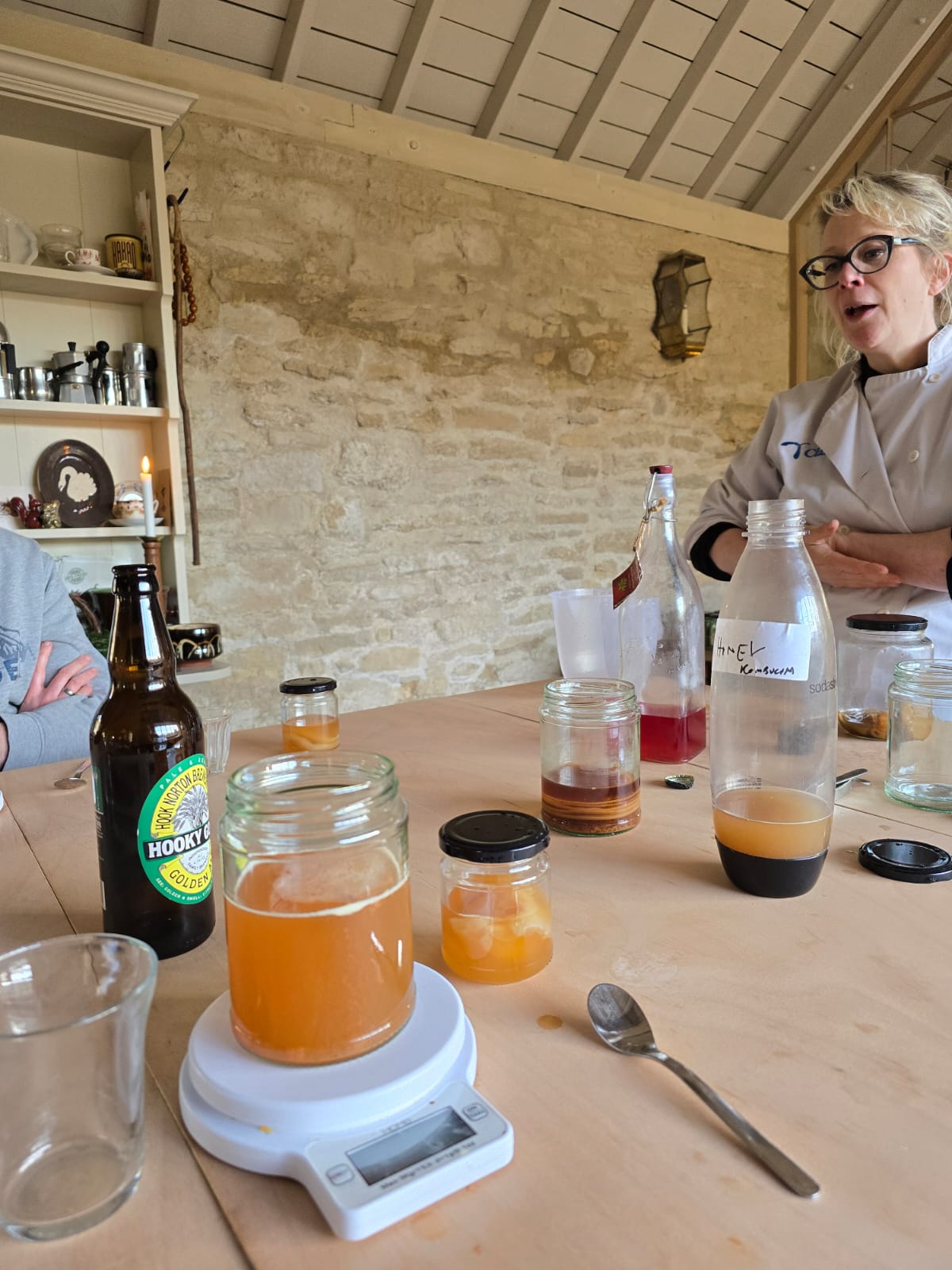
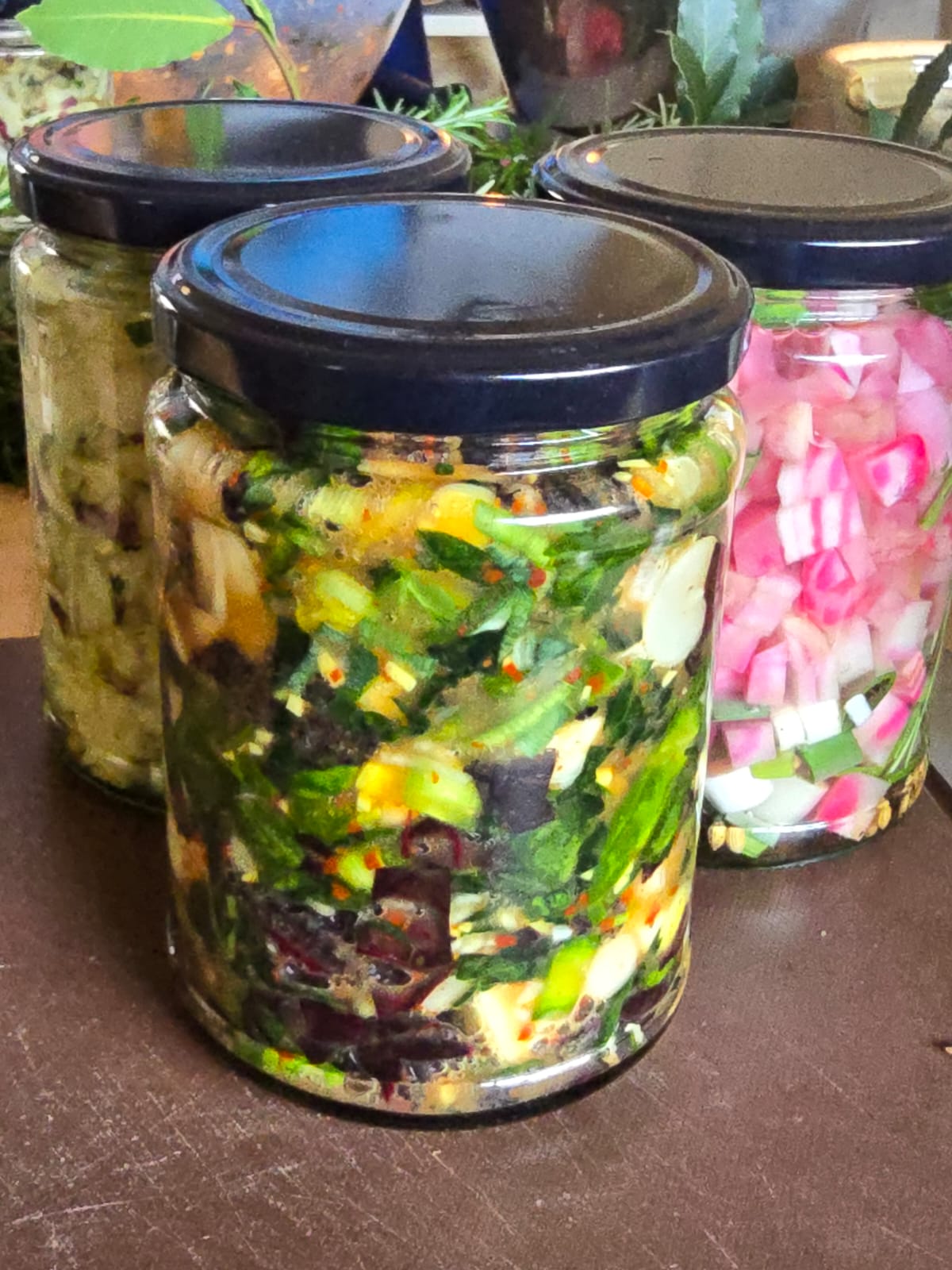
The hands-on nature of the class meant that by the end of the day, we all had jars of our own ferments to take home.
I won’t spoil too much—you really do need to experience it for yourself—but the magic of fermentation lies in its simplicity, science, and patience, and Clare made the whole process incredibly rewarding.
If you’re looking for an inspiring, food experience that combines education, creativity, and delicious flavors, Field to Ferment is a must. I’ve already told countless friends and family members to sign up—it’s one of the most enjoyable and enriching food courses I’ve ever attended.
How to Book
Tickets for future events can be found at:
👉 Sycamore Smyth on Ticket Tailor – tickets for 6th June are currently on sale. Bitten readers can enjoy 10% off with the code BITTEN10.
For more on:
🌱 The market garden – visit worthy-earth.co.uk
🏡 Anita’s Home Farm Roots project – follow @homefarmroots on Instagram
🍽️ Clare’s cookery school, Sycamore Smyth – follow @sycamoresmyth on Instagram
Bitten were invited as guests, all views are our own
Leave a Reply